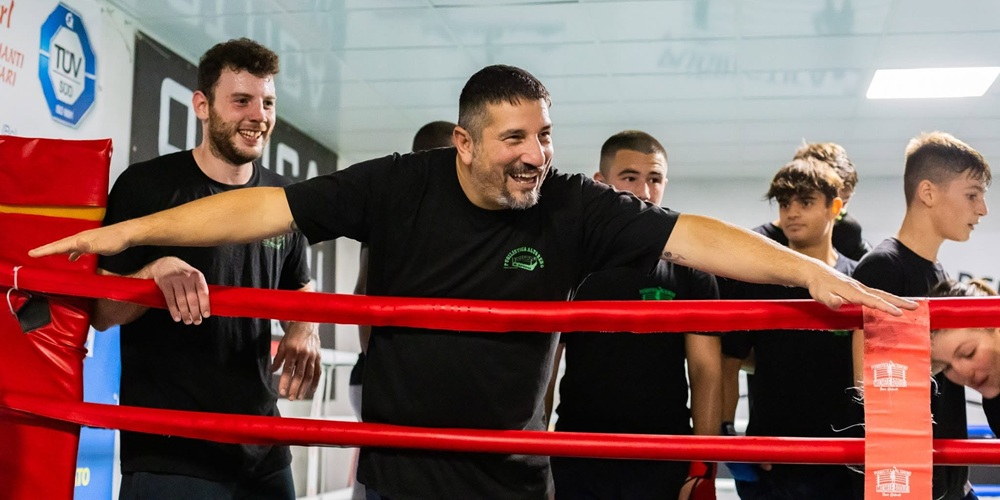
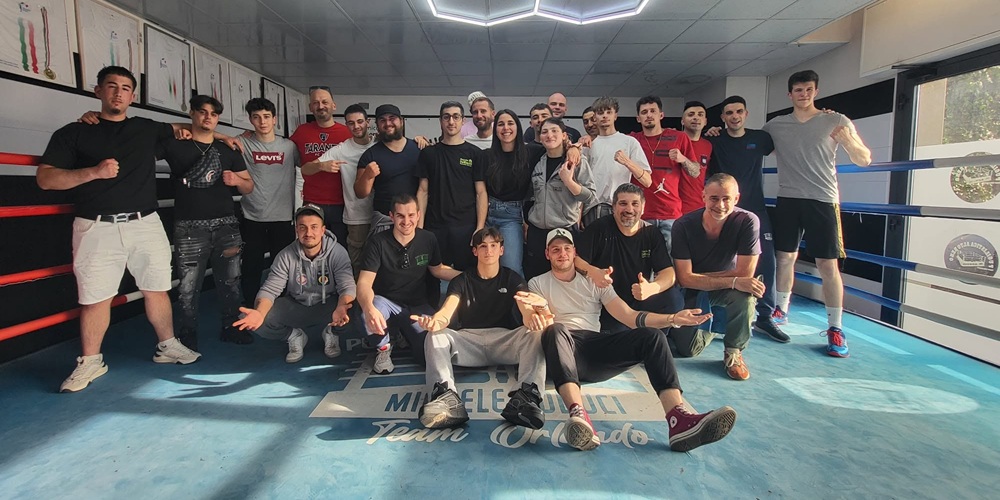
The unspoiled beauty of the Tuscan-Emilian Apennines, postcard-worthy landscapes, crystal-clear rivers, lush forests… And right there, in a place seemingly destined for nothing more than the contemplation of nature, among a handful of small towns home to just a few thousand people, stands a boxing gym that year after year is becoming a factory of champions. A genuine sporting miracle, masterminded by a man whose name is becoming increasingly familiar to Italian boxing fans: Emanuele Orlando, known to his friends as “Lele.” After learning the secrets of the Noble Art under the guidance of the esteemed coach Vincenzo Quero, the Taranto native moved to the border between Tuscany and Emilia-Romagna and built what is now known as Pugilistica Alto Reno Michele Adduci.
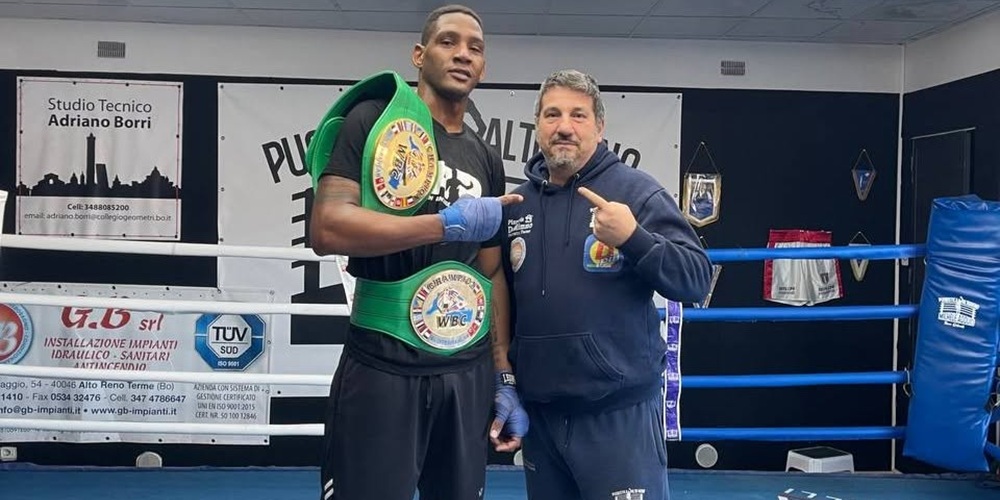
Ten Italian amateur titles across all age groups and weight classes, a European silver medal, and numerous medals won at prestigious national and international tournaments make up an impressive résumé, now further enhanced by the professional achievements of outstanding Cuban heavyweight Angelo Morejon, who was crowned the new Italian heavyweight champion just last Saturday.
We got in touch with Coach Orlando to enrich this series dedicated to Italy’s finest trainers with the story of a man who, more than almost anyone else in the country today, can truly be described as riding the crest of the wave.
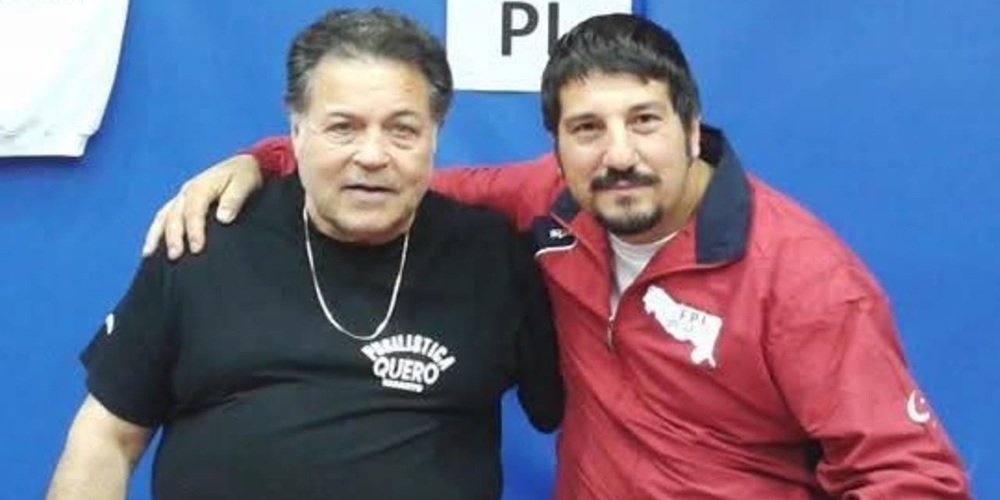
The last interview in this series was dedicated to Coach Vincenzo Quero, the man who introduced you to the secrets of the Noble Art. How important was Vincenzo to your development, both as a boxer and as a man?
Coach Vincenzo Quero has played a fundamental role in my life, both as an athlete and as a person. He was the one who made me fall in love with boxing and who passed on to me the most important values of this sport: respect, discipline, sacrifice and humility. But above all, he was always there for me. In the good times and in the difficult ones, I could always count on him—not only as a coach, but as a true mentor.
Today I have the honor of being a coach myself, and every day I try to pass on to my boxers the same lessons he taught me. If I’ve managed to win titles and achieve important milestones throughout my career, a significant part of that credit belongs to him. Behind every accomplishment lies his work, his patience and the confidence he always had in me. I’ll always be grateful to him. More than a coach, he has been a guide and someone who has left a profound mark on my life.
Before becoming a highly respected coach, you were also a very good boxer. What is your fondest memory and your worst memory from your amateur career? Why didn’t you decide to turn professional?
I’ve never considered myself a great boxer. In fact, looking at what some of my fighters have achieved, I’d describe myself as an “ordinary” boxer. As a novice I won the regional and interregional titles, while as an elite boxer I won both a national tournament and an international tournament representing Italy. Those are achievements I’m proud of, but over time I’ve realized that victories alone don’t define a person.
The gym taught me that what matters isn’t just what you’ve won, but what you’re able to pass on to others. Today my greatest satisfaction is seeing my fighters grow, not only as athletes but also as people. I believe that’s the greatest victory of all.
The best memory of my career is undoubtedly wearing the Italian national team jersey and representing my country. That’s an emotion I’ll carry with me forever. The worst memories are the defeats that, at the time, felt impossible to overcome, but which I later realized were the most valuable lessons of all.
As for turning professional, I never felt it was the right path for me. I preferred to dedicate myself to coaching and helping young people grow. Boxing has never been just a career for me—it’s a passion. I always joke, though not entirely, that boxing is my mistress. You either love it or you hate it, and I’ll love it for the rest of my life.
Opening a boxing gym in a small mountain town with only a few thousand inhabitants might seem like madness. Yet your results have proven that your intuition was absolutely right. Can you tell us how the idea came about and what made you believe it could succeed?
The idea came about very naturally. At first I was training in a gym in Pistoia. After earning my assistant coach qualification, I started organizing boxing classes through an organization, but they only lasted a few months. It was actually the people attending those classes who said to me, “Why don’t we start our own club?” Everything began with that simple question.
In 2009 I opened my first gym in Granaglione, where I stayed until 2019. The facility was very basic—it looked almost like a basement—but for us it was a second home. We had fun, enjoyed being together, even though I always approached this work with the utmost professionalism.
It’s true that the area doesn’t have a large population, and many people believed that a boxing gym in a small mountain village could never survive. I still remember the owner of the premises telling me, “You won’t last six months with boxing.” Well, here we are in July 2026, and we’re still here.
The truth is, I’ve always loved challenges. There have been good times and difficult times, but I’ve never stopped believing in this project. I’ve always believed that if you work with passion, seriousness and dedication, sooner or later the results will come. And, as Vasco Rossi sings, “I’m still here… and already.” I think that line perfectly sums up my journey.
The trophy cabinet of Pugilistica Alto Reno Michele Adduci, already filled with countless accolades, welcomed another prestigious addition last Saturday: the Italian heavyweight title, thanks to Angelo Morejon’s victory over Antonio Carlesimo. What does this latest success mean to you, and what emotions did you experience as you embraced your fighter after the final bell?
It was an incredibly special moment because it was the only title that was still missing from our journey. Over the years we’ve managed to win Italian amateur titles in every category, from the youth divisions to the elite level, but a professional Italian title was something we’d been chasing for a long time.
When the victory came, it was difficult to put my feelings into words. I was overjoyed, but above all I was happy for Angelo. He’s a young man who has always worked with incredible dedication and sacrifice, and finally the wider public has begun to recognize and appreciate him. For me, it was a double victory: the title won in the ring and the recognition he truly deserves as an athlete.
One moment I’ll always carry in my heart came after the fight, when the entire arena began chanting in unison, “Morejon! Morejon! Morejon!” Feeling that warmth from the crowd was something extraordinary. At that moment I realized we hadn’t just won a belt—we had also earned the affection and respect of the people. It was a victory for Angelo, but also for everyone at Pugilistica Alto Reno Michele Adduci and for all those who work hard every day and believe in this project.
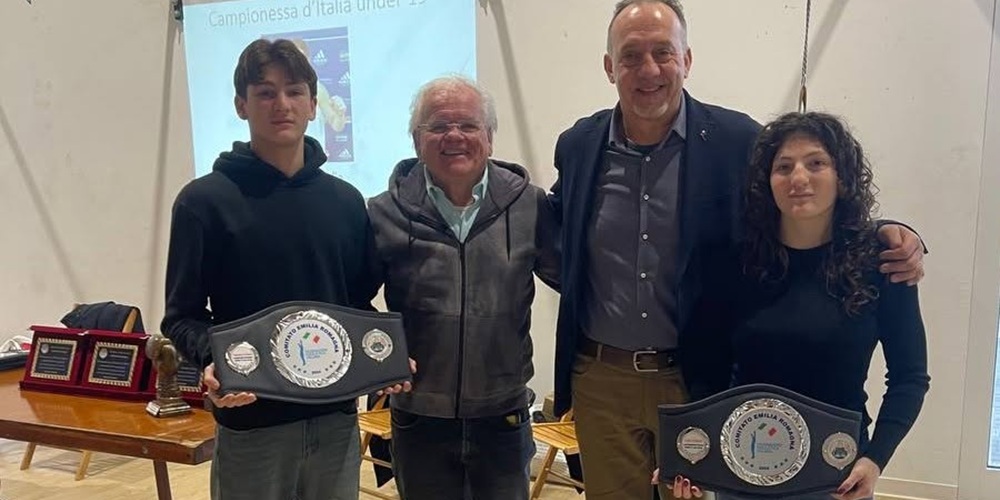
Perhaps the clearest demonstration of your talent as a coach is your own children, Sofia and Tommaso, who grew up in your gym under your guidance and have become two of Italy’s brightest young boxing prospects. Was it difficult to balance your role as a father with that of a coach?
It wasn’t difficult because I’ve always tried to keep those two roles completely separate. In the gym I’m their coach, while at home I’m their father and, when needed, their friend. I believe that if you don’t blur those lines, everything becomes much easier.
Of course, we sometimes talk about boxing outside the gym as well, but boxing isn’t the only thing in our family. I’ve always told my children that school comes first, because sport is important, but building a future for yourself is just as important.
There’s one thing I often tell both Sofia and Tommaso: as long as they practice this sport with passion and a smile on their faces, they should always give it everything they’ve got. The day they start feeling forced to do it, that’s the day it’s time to stop. Boxing is a sport that has to light a fire inside you. As long as that fire is burning, you have to live every training session and every fight to the fullest. When that flame goes out, you need to have the courage to choose a different path.
Anyone who follows Italian boxing closely knows that you were the coach who laid the technical foundations for Diego Lenzi and developed him from scratch as a boxer. What many people don’t know is that you also welcomed him back after he had left your gym abruptly, before eventually guiding him to the Italian national title. How did you react when he didn’t even thank you after qualifying for the Olympic Games? What conclusions did you draw from the whole situation?
If I remember correctly, Diego joined our gym in either 2015 or 2016. That’s when an important journey began. It’s true that the first time he stopped training with us, he left without giving any explanation, and I was hurt because when you invest your time, energy and passion in a young athlete, it’s only natural to feel that way. But when he came back, I focused solely on doing my job without dwelling on the past. Together we won the Italian national title, and until July 2023 he remained a boxer with our club. After that, he joined the Italian Army sports group, a goal he had fully earned.
As for the fact that he didn’t thank me after qualifying for the Olympics, honestly, I don’t hold any grudges. Everyone follows their own path and experiences certain moments in their own way. I’m at peace because I know I gave everything I could, with honesty and passion. That’s what truly matters to me. I’ve always believed that the role of a coach goes far beyond simply teaching technique. A coach gives up time, makes countless sacrifices and often puts the gym ahead of personal life, family and friends. He does it without asking for anything in return except seeing his fighters grow and achieve their dreams.
I wish Diego nothing but the best. I believe he’s an excellent heavyweight with all the qualities needed to build a great professional career as well. He certainly has the ability, and I sincerely hope he achieves all the success he deserves. I’ll always be happy whenever I see one of my former fighters reach an important milestone because, in the end, that’s the most rewarding part of our job.
Let’s conclude the interview by asking you to share your biggest dream.
To be honest, I still have many dreams. I believe a coach should never stop dreaming because that’s what gives you the motivation to get up every morning and return to the gym with the same enthusiasm you had on your very first day.
I’d love to help an athlete win an Olympic medal, guide someone to a world title and, one day, have the opportunity to work with a national youth team. For me, that would be the culmination of my journey. I believe deeply in youth development because that’s where you build the foundations not only of future champions but also of future adults.
My greatest satisfaction, however, isn’t being able to say, “I won.” It’s seeing a young athlete grow, improve day after day, and knowing that I played even a small part in that journey. Then, when you see them reach the highest level and achieve something important, it’s an emotion that’s hard to describe. You feel like you’ve been part of their story, and you realize that every sacrifice was worthwhile.
That said, there’s one thing I can say with confidence: I’ve already won in life. Not because I’ve collected titles, but because I know where I started and the path I had to take to get here. Anyone who knows my story can honestly say, “Lele has won at life.” To me, true victory isn’t measured by belts or medals, but by what you’ve managed to build through honesty, passion and love for this sport. If today I can look back with peace of mind and continue doing the job I love, surrounded by people who care about me and young athletes who believe in me, then that’s the greatest victory of all.
And that’s exactly why I’ll continue working with the same humility, never believing I’ve already arrived, because dreams are wonderful—but they only come true through hard work, sacrifice and the constant desire to improve every single day.