




Today, at thirty-six years old, Chris Eubank Jr is not in good health. He will have to continue undergoing treatment and, almost certainly, he will not fight below 168 pounds again. Moreover, his promoter Ben Shalom has stated that until Eubank Jr reaches an optimal state of health and proves he is 100% fit, he will definitely not be allowed back into the ring.
Health before honor and glory. On this point, I believe we can all agree.
That he was not in peak condition had already become quite evident in his previous bout last April against Conor Benn, a fight he won mainly thanks to sheer willpower and courage. He looked tired and flat.
Then, the existence of real problems became clear last November, when in the rematch against Benn he was defeated by unanimous decision after being knocked down twice in the final round.
There is no doubt that he is unwell, but it is equally certain that his condition—if it can be called a disease—still has no name.
Industry insiders have in fact pointed the finger at weight-cutting practices, which are not always carried out correctly. In addition to fighting his last two bouts at 160 pounds, Chris Eubank Jr also had to comply with a very restrictive clause: a maximum rehydration of just 10 pounds on fight day (4.53 kilograms). Far too little to ensure safe rehydration. Two major weight cuts in seven months were evidently too much for his body.
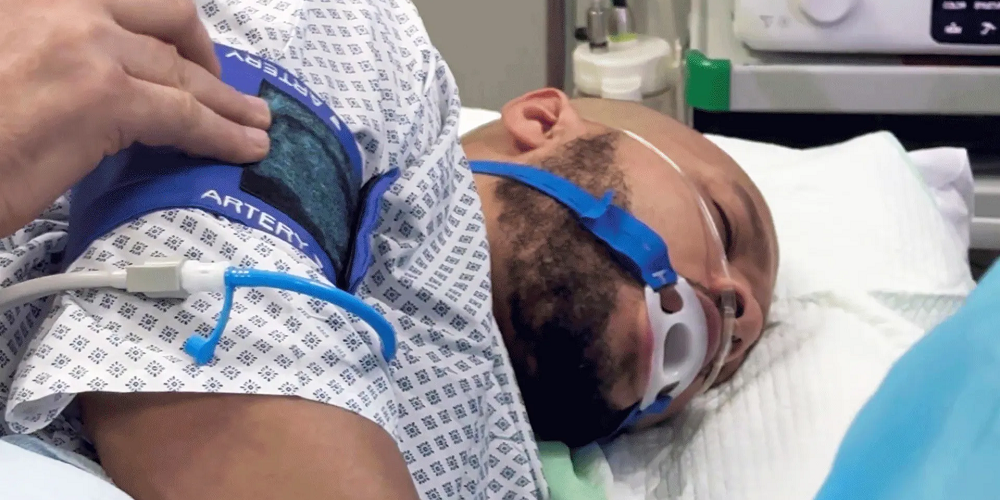
A few months ago, a video circulated on social media showing the fighter lying in a hospital bed, alarming boxing fans and, above all, his supporters.
It will take time, but his health will return to normal.
What should be done, however, in light of advances in medicine, nutritional science and growing awareness of the risks associated with weight cutting, is to rethink the rules in order to better protect athletes’ health and safety. Rehydration agreements should also be reviewed.