




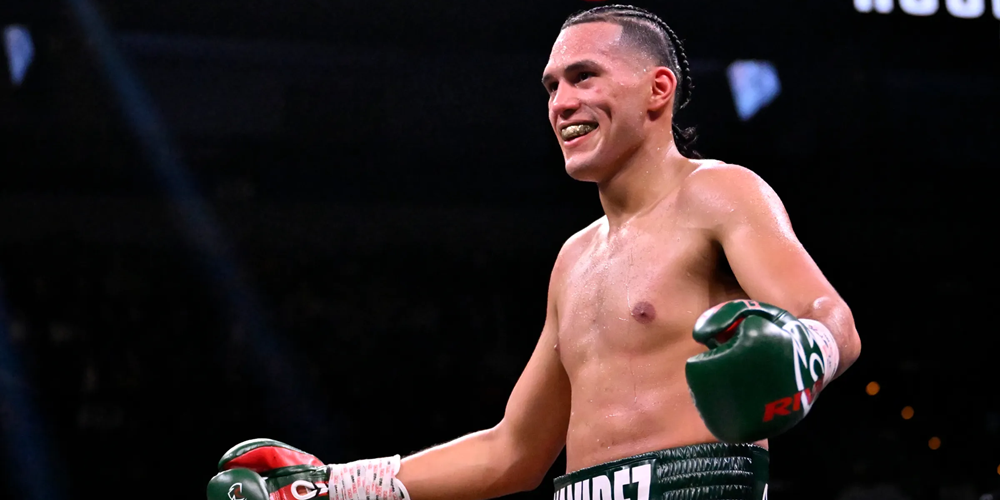
The situation at the top of the cruiserweight division has become extremely tangled, with negotiations, conflicting interests, political maneuvering, and shocking sanctioning-body decisions creating confusion. Several major names are involved, including Jai Opetaia and David Benavidez, and the final outcome remains unclear. In this article, we will try to make sense of the sequence of events that has unfolded over the past few days.
The first move came from Turki Alalshikh, the renowned Saudi official who has had a major impact on the boxing world through the injection of virtually unlimited financial resources. Alalshikh explored the possibility of organizing a fight between Jai Opetaia and David Benavidez, widely regarded as the two best cruiserweights in the world, to determine the division’s number one fighter.
Benavidez rejected the proposal. The American had already hinted at his lack of interest in facing Opetaia after destroying Gilberto Ramirez and capturing the WBA and WBO world titles at 200 pounds. According to him, the fact that the Australian had been stripped of his IBF title and can now only offer the newly created Zuffa belt—considered little more than a toy by many insiders—makes the fight far less attractive.
At that point, Opetaia began negotiations with current WBC world champion Norair Mikaeljan, the Armenian fighter who captured the belt in December with a points victory over Badou Jack. Benavidez, however, decided to throw a wrench into those plans and formally petitioned the WBC to be designated as Mikaeljan’s mandatory challenger.
Since he already holds world titles from two other sanctioning bodies, Benavidez does not appear in the WBC cruiserweight rankings. However, Article 3.7 of the regulations of the organization led by Mauricio Sulaiman allows the WBC to designate as mandatory challenger a boxer who holds world titles recognized by other organizations.
Benavidez’s request was granted. Should Mikaeljan refuse to face him and instead sign a contract to fight Opetaia, he could be stripped of his WBC title. It is worth noting that imposing a title unification from above is a highly unusual move, even if it is technically allowed by the rules. Inevitably, many suspect that the WBC’s decision was made primarily to undermine Zuffa Boxing.
Signing with Dana White’s organization has already forced Jai Opetaia to give up his IBF world title. Now it could also cost him the opportunity to win the WBC championship. Many observers believe that the traditional sanctioning bodies, feeling threatened by the Zuffa Boxing project—which aims to eliminate them or at least render them irrelevant—are fighting back by ensuring that fighters signed by White are excluded from the sport’s most important opportunities.
To make matters even more complicated—and in some ways amusing—Norair Mikaeljan is currently managed by the legendary Don King, now 94 years old but still ready to threaten legal action whenever his interests are challenged. A lawsuit against the WBC, should his fighter be stripped of the world title, would come as no surprise at all.